Choosing Organic Mattresses: A Practical Guide to Healthy Sleep
This guide unfolds the quiet productivity of sleeping well, not as a luxury, but as a daily act of self-respect. We explore what makes a mattress organic, how certifications shape our trust, and the practical steps by which a reader can evaluate comfort without surrendering health. In the tradition of thoughtful, long-form reporting, we examine materials, production standards, and maintenance routines that preserve both sleep quality and natural integrity.
A careful definition: what "organic" means in a mattress
Organic mattresses are defined not merely by the absence of synthetic additives, but by a chain of responsible choices that begin in the field and end in the bedroom. At the heart of an organic bed lies a promise: the materials have been grown, harvested, and manufactured with minimal synthetic intervention, prioritizing breathable performance, hypoallergenic properties, and long-term durability. This is not a marketing refrain but a standard that seeks to reduce chemical exposures while supporting sustainable farming and responsible labor practices.
Key to understanding organic mattresses are three pillars: certified materials, transparent manufacturing, and sustainable lifecycle. Certifications serve as assurances—like passports—attesting that every step from raw material to final product meets defined environmental and health criteria. The most frequently cited certifications include GOTS (Global Organic Textile Standard) for textiles, GOLS (Global Organic Latex Standard) for latex, and GOTS-related standards for cotton and wool. While no single label guarantees perfection, a combination of credible certifications creates a robust map for consumers navigating a crowded market.
Beyond certifications, organic mattresses rely on materials chosen for health and comfort: natural latex for resilience and breathability, organic cotton for its softness and hypoallergenic profile, and wool for temperature regulation and moisture wicking. Each material contributes a signature that, depending on its blend and construction, can influence sleep temperature, spinal alignment, and how the bed ages over time.
Materials in focus: natural latex, organic cotton, and wool
Natural latex stands as a cornerstone of many organic mattresses. It provides a responsive yet buoyant feel that supports contours without sinking excessively. The Dunlop or Talalay processes offer different textures, but the common thread is a resilient core that maintains shape under repeated use. Organic cotton, used in covers and sometimes as insulating layers, acts as a breathable skin for the core. Its fiber is often certified to be free of agrochemical residues, translating into a sleep surface that is gentle on the skin and easier to care for over time. Wool, valued for its moisture management and temperature-regulating properties, anchors the comfort system with a natural ability to wick away sweat and keep a steady microclimate around the sleeper.
Together, these materials create a system that respects the body's needs during the night. Breathability helps with sleep continuity; hypoallergenic properties reduce irritants; and the absence of synthetic foams or glues minimizes off-gassing concerns. The practical upshot is a mattress that remains comfortable over years, while reducing the exposure to potentially harmful substances that can accompany conventional bedding.
How to evaluate comfort without compromising organic integrity
Comfort is not a single sensation but an alignment of pressure relief, support, and temperature. When evaluating an organic mattress, begin with firmness and zoning. A mattress should support the natural curves of the spine: a gentle curve at the lower back, with adequate support for the hips and shoulders to prevent sagging. In organic systems, zoning is often achieved through natural materials and layered designs that distribute weight more evenly than a uniformly firm surface might. For side sleepers, a bit more give at the shoulder and hip can help maintain spinal alignment; for back sleepers, a medium feel that cushions without obscuring the lumbar support tends to be ideal; for stomach sleepers, a flatter, firmer surface can keep the pelvis from dipping into an unsustainable curve.
A practical approach is to consider the sleeper’s typical position, body weight, and heat tendencies. Material choice matters: wool’s moisture-wicking properties help keep the surface cooler for warm sleepers; latex’s buoyancy helps reduce the sense of sinking, which is helpful for those who wake with sore shoulders or hips. Temperature and breathability are not just comfort factors; they influence sleep architecture over the course of a night. An overly warm bed can disrupt the switch between sleep stages, diminishing restorative REM and slow-wave sleep.
In terms of certifications, look for a combination—GOTS for textiles, GOLS for latex, and any regional organic standards or third-party verifications. Ask for the materials’ sources and the supply chain’s transparency. A credible company will disclose farming practices, chemical usage, and testing results that demonstrate that the final product maintains its organic integrity from cradle to bedroom.
Maintenance: extending life while preserving natural qualities
Organic mattresses reward careful maintenance. Rotation and flipping, where applicable, help promote even wear and prevent localized sagging. Some organic designs are not designed to be flipped but can be rotated regularly to distribute wear more evenly. A removable, washable cover—common in organic systems—makes routine care more straightforward and helps preserve the surface against minor spills or odors. Dry cleaning is generally discouraged for core organic layers; instead, spot cleaning and air-drying, following manufacturer instructions, preserve the materials’ integrity.
To protect the bed’s organic promise, consider a breathable, organic mattress protector or topper as a complement—though this should also be chosen with the same certification standards in mind. The goal is to create a sleep system that remains faithful to its organic ethos while evolving with the sleeper’s changing needs, such as a shift in comfort preferences or a desire for improved temperature regulation as seasons change.
A literary gallery of figures who shaped our sleep ideas
Throughout history, individuals with distinct perspectives on comfort and health—from designers to physicians, from poets to engineers—have contributed to our evolving understanding of sleep. Three noteworthy figures, spanning different eras, illuminate the conversation about mattresses, materials, and the rituals that cradle our nights.
1) Florence Nightingale (1820–1910): reformer of the hospital bed and hygienic sleep environments
Nightingale’s work extended beyond the battlefield and hospital ward into the daily rituals of rest. Her advocacy for cleanliness, proper ventilation, and climate control foreshadowed the modern appreciation of a sleep environment as a health intervention. While she did not write about organic mattresses as we understand them today, the principle that the sleep environment matters—air quality, temperature, and surface cleanliness—remains a cornerstone of health-focused bedding philosophy. In a contemporary sense, Nightingale’s influence resonates in the imperative to design sleep systems that honor both comfort and hygienic integrity.
2) Cesare Pavese (1908–1950): the chair of memory and the memory of a bed
Pavese’s literary meditation on memory, longing, and the nights that hold us offers a reminder that sleep is not merely physiological restoration but a psychological space where we negotiate who we are. In discussions of organic mattresses, Pavese’s sensibility nudges us to consider how materials create a sense of safety and predictability—qualities that can soothe the psyche as reliably as a good night’s rest soothes the body. His work invites us to pair scientific understanding with reflective living, acknowledging that the bed is as much a stage for inner life as for the body.
3) Jane Goodall (born 1934): empirical wonder and stewardship of the natural world
Goodall’s ethic—careful observation, respect for ecosystems, and practical stewardship—maps neatly onto the organic mattress movement. Her insistence on evidence-based conclusions and compassion for living systems echoes in the way organic bedding is studied: rigorous testing of materials, transparent supply chains, and a preference for natural, renewable resources. In the modern context, Goodall’s voice reminds readers that healthy sleep is inseparable from the broader health of the planet, and that our choices in the bedroom are part of a larger ecological conversation.
A practical reading list: certifications, materials, and maintenance
- Certification basics: look for a combination of credible marks such as GOTS, GOLS, and additional third-party verifications to confirm organic integrity.
- Materials primer: natural latex for support and breathability; organic cotton for a skin-friendly cover; wool for temperature regulation and moisture management.
- Care routines: removable covers, spot cleaning, and seasonal rotation to maintain surface quality without compromising organic layers.
- Lifestyle alignment: matching your bedding system to your sleep habits and room conditions—temperature, humidity, and air quality all influence the bedding’s performance.
A recommended organic mattress: a sample look at an exemplary product
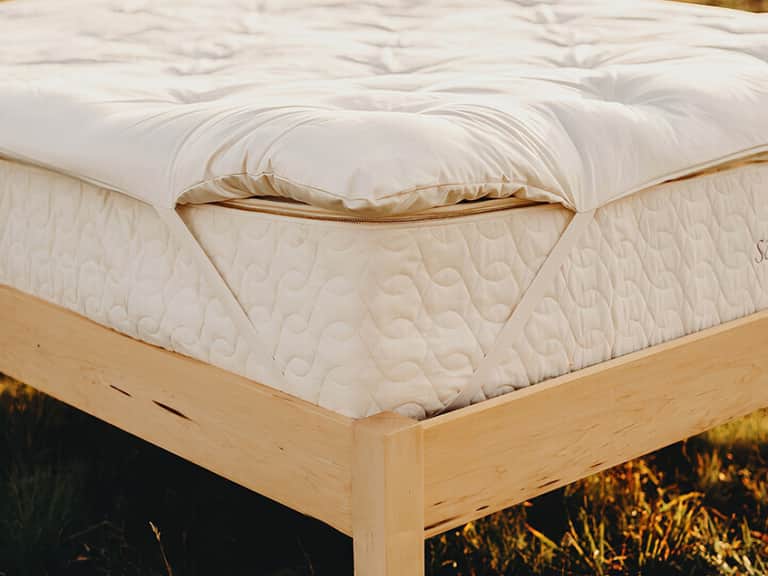
To ground these ideas in tangible terms, consider a high-end organic unit that foregrounds the principles discussed: a latex core with an organic cotton cover, surrounded by wool in a layered comfort system, and finished with a breathable ticking. Such a configuration exemplifies the balance between support, temperature regulation, and hypoallergenic properties. It speaks to a design philosophy that values long-term comfort without resorting to synthetic foams or chemical additives.
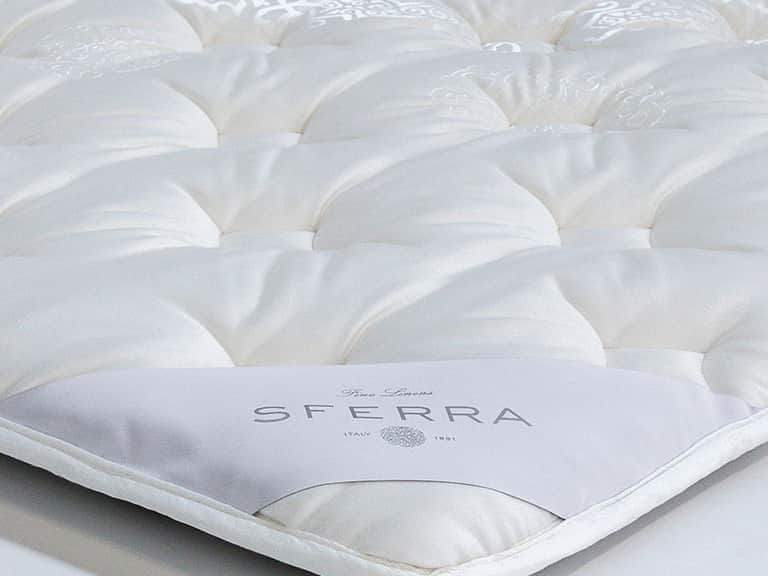
In the world of luxury bedding, actual product pages often foreground craftsmanship and heritage as much as material science. One example that illustrates the level of detail available in a premium organic bed is the Vispring Sublime Superb. This model integrates a blend of natural materials—Shetland wool, horsetail, and high-grade wool—alongside a pocketed spring system and hand-tied tufting. It is emblematic of the kind of care that characterizes the upper echelon of mattress design, where organic integrity sits alongside a tradition of artisanal upholstery. While such a mattress represents a significant investment, it also demonstrates how organic materials can be harnessed to deliver a refined sleep experience that endures over years.
Vispring Sublime Superb
A high-end model blending natural materials and advanced craftsmanship to create a sleep surface that remains buoyant and cool through many nights.
Note: The price and availability can vary by retailer and region. The purpose here is to illustrate what an organic luxury product can look like in terms of material composition and construction quality, not to advocate one brand over another.
Putting it into practice: a quick checklist
- Review the certifications: confirm GOTS for textiles, GOLS for latex, and any additional independently verified standards.
- Inspect materials: prioritize natural latex, organic cotton covers, and wool for temperature regulation.
- Ask about the production chain: seek transparency on sourcing, processing, and any adhesive or binding agents used in the core.
- Consider your sleep style: align firmness and zoning with your primary sleep position and body weight.
- Assess maintenance: ensure you can perform routine care without compromising the organic materials’ integrity.
Conclusion: sleep as an act of stewardship
Choosing an organic mattress is less a purchase and more a commitment: to reduce exposure to synthetic and chemical additives, to support sustainable farming practices, and to cultivate a bedroom climate that honors the body's needs. The conversation blends science with craft, ethics with comfort, and history with daily practice. It asks not only whether a mattress feels good, but whether it sustains health over the long arc of a life spent sleeping in a single space. In this light, the organic mattress becomes not a mere foundation for rest but a durable, quiet instrument of daily well-being.
As we move through the decades of mattress design, the aspiration remains constant: a bed that respects the body, the planet, and the quiet ritual of night. When we choose organic, we choose a future in which the simplest act—closing one’s eyes—sustains more than rest; it sustains the conditions for a healthier life, day after day, year after year.